blog-image Uncategorized

Headaches: A Comprehensive Guide to Treating Headache Pain

Introduction:Headaches are an all too familiar discomfort experienced by people worldwide. Whether it's a dull ache or a pounding sensation, headaches can disrupt daily life and hinder productivity. Fortunately, with the right knowledge and treatment approach, managing and alleviating headache pain is within reach. In this article, we explore the various types of headaches and delve into effective treatment strategies to help you find relief.What is Headaches:A headache is a complex neurological symptom characterized by pain or discomfort in the head or neck region. While headaches can be temporary and benign, recurring or severe headaches may warrant medical attention. Understanding the underlying causes and triggers of headaches is crucial for effective treatment and management.Types of Headaches:There are two types of Headaches primary and secondary types. Primary headaches, such as tension-type headaches, migraines, and cluster headaches, occur independently and are not attributed to another medical condition. Secondary headaches, on the other hand, are symptoms of an underlying health issue, such as sinusitis, head trauma, or medication overuse.Treatment Strategies:Treatment for headaches typically involves a combination of lifestyle modifications, preventive measures, and symptomatic relief. The approach may vary depending on the type and severity of the headache.Lifestyle Modifications:Making simple changes to your daily routine can often help reduce the frequency and intensity of headaches. This may include:Establishing a regular sleep schedule: Lack of sleep or irregular sleep patterns can trigger headaches. Sleep for 7-9 hours of good sleep each night.Managing stress: Stress is a common trigger for tension-type headaches and migraines. Practice meditation, or yoga to alleviate stress.Maintaining a healthy diet: Certain foods and beverages, such as caffeine, alcohol, and processed foods, can trigger headaches in some individuals. Keeping a food diary can help Hydration: Dehydration can contribute to headaches. Aim to drink plenty of water throughout the day to stay hydrated.Preventive Measures:For individuals with frequent or chronic headaches, preventive medications may be prescribed by a healthcare provider. These medications are taken regularly to reduce the frequency and severity of headaches. Common preventive medications include beta-blockers, antidepressants, anticonvulsants, and botulinum toxin injections.Symptomatic Relief:Over-the-counter pain relievers such as acetaminophen, ibuprofen, or aspirin can provide temporary relief for mild to moderate headaches. It's essential to follow the recommended dosage guidelines and avoid overuse, as this can lead to medication overuse headaches.For more severe or recurring headaches, prescription medications may be necessary. Triptans are a class of medications commonly used to treat migraines by relieving pain and reducing inflammation. Anti-nausea medications may also be prescribed to alleviate accompanying symptoms.In addition to medication, non-pharmacological approaches such as acupuncture, biofeedback, or physical therapy may be beneficial for some individuals in managing headache pain.Here are some Medicine Specialist doctor:1. Dr. Md. Azizul Haque AzadMedicine & Rheumatology Specialist Doctor. He completed MBBS, FCPS (Medicine), MRCP (UK), FRCP (EDIN), MRCP SCE Rheumatology (UK) degree.2. Dr. Prabir Mohan BasakMedicine & Rheumatology Specialist Doctor. He Completed MBBS, BCS (Health), FCPS (Medicine), MRCP (UK), MRCP, SCE (Rheumatology), UK.For more more Medicine Specialist doctor and making an appointment visit here DoctorServiceBD.Alternative Therapies:Several alternative therapies have shown promise in relieving headache symptoms. These may include:Herbal remedies: Certain herbs and supplements, such as feverfew, butterbur, and magnesium, have been studied for their potential to reduce the frequency and severity of migraines.Essential oils: Inhalation or topical application of essential oils like peppermint, lavender, or eucalyptus may provide relief from headache pain.Massage therapy: Gentle massage techniques targeting the head, neck, and shoulders can help alleviate muscle tension and reduce headache severity.Conclusion:Headaches are a common ailment that can significantly impact quality of life if left untreated. By understanding the different types of headaches and implementing effective treatment strategies, individuals can better manage their symptoms and improve overall well-being. It's essential to consult with a healthcare provider for proper diagnosis and personalized treatment recommendations. With the right approach and support, relief from headache pain is attainable, allowing individuals to reclaim control over their lives.

15 Feb,2024

blog-image Uncategorized

Popular Diagonostic Center Ltd.

Welcome To Popular Diagonostic Center Ltd.Are You In Search Of State-Of-The-Art Diagnostic Services That Prioritize Accuracy, Efficiency, And Patient Care? Look No Further Than Popular Diagonostic Center Ltd.. As A Leading Diagnostic Center Dedicated To Providing Top-Notch Healthcare Solutions, We Take Pride In Our Cutting-Edge Facilities, Comprehensive Services, And Convenient Locations.Our FacilitiesAt Popular Diagonostic Center Ltd. We Believe That A Commitment To Excellence Begins With The Right Infrastructure. Our Facilities Are Equipped With The Latest Advancements In Medical Technology, Ensuring Precise And Reliable Diagnostics. Here's A Glimpse Into What Sets Our Center Apart:Advanced Technology:Our Diagnostic Center Boasts Cutting-Edge Imaging Equipment, To Deliver High-Resolution And Detailed Diagnostic Images. We Have:Computerized LaboratoryDigital X-RayColor Doppler UltrasonographyEchocardiographyECGTVSPathologyUltrasonographyBiochemistryHormoneImmunologySerologyMicrobiologyClinical PathologyHistopathologyMolecular LaboratoryCytologyHistopathologyClinical PathologyAnd Many MoreComfortable Waiting Areas:We Understand That A Welcoming Environment Is Essential For Our Patients' Well-Being. Our Waiting Areas Are Designed For Comfort, Providing A Calming Atmosphere For All Individuals.Dedicated Lab Services:From Routine Blood Tests To Specialized Analyses, Our Dedicated Laboratory Services Are Conducted With Precision And Efficiency, Ensuring Accurate Results For Healthcare Professionals And Patients Alike.Our ServicesPopular Diagonostic Center Ltd. Is Committed To Offering A Comprehensive Range Of Diagnostic Services To Meet The Diverse Needs Of Our Community. Our Services Include:Radiology Services:Our Expert Radiologists Utilize Advanced Imaging Techniques To Provide Accurate Diagnoses For Various Medical Conditions.Laboratory Testing:Our Fully Equipped Laboratories Offer A Wide Range Of Tests, From Routine Blood Work To Specialized Diagnostic Assays.Wellness Checkups:Regular Health Checkups Are Vital For Preventive Care. We Offer Personalized Wellness Packages To Help Individuals Monitor And Maintain Their Health.Visit Us TodayReady To Experience Excellence In Diagnostics? Visit Popular Diagonostic Center Ltd At House # 474, Chowdhury Tower, Laxmipur, Rajshahi. Our Conveniently Located Center Ensures Easy Access For All, Making Your Healthcare Journey Seamless And Stress-Free.Contact InformationPhone: 01723025514At Popular Diagonostic Center Ltd., We Are Dedicated To Providing Exceptional Healthcare Services That Prioritize Accuracy, Efficiency, And Patient Comfort. Explore Our State-Of-The-Art Facilities, Comprehensive Services, And Convenient Location To Take Charge Of Your Health Journey. We Look Forward To Serving You And Contributing To Your Well-Being.

04 Feb,2024

blog-image Uncategorized

Safollo Diagnostic Centre

Welcome to Safollo Diagnostic CentreAre you in search of state-of-the-art diagnostic services that prioritize accuracy, efficiency, and patient care? Look no further than Safollo Diagnostic Centre. As a leading diagnostic center dedicated to providing top-notch healthcare solutions, we take pride in our cutting-edge facilities, comprehensive services, and convenient locations.Our FacilitiesAt Safollo Diagnostic Centre, we believe that a commitment to excellence begins with the right infrastructure. Our facilities are equipped with the latest advancements in medical technology, ensuring precise and reliable diagnostics. Here's a glimpse into what sets our center apart:Advanced Imaging Technology:Our diagnostic center boasts cutting-edge imaging equipment, to deliver high-resolution and detailed diagnostic images. We have:Computerized LaboratoryDigital X-rayColor Doppler ultrasonographyEchocardiographyECGTVSPathologyUltrasonographyBiochemistryHormoneComfortable Waiting Areas:We understand that a welcoming environment is essential for our patients' well-being. Our waiting areas are designed for comfort, providing a calming atmosphere for all individuals.Dedicated Lab Services:From routine blood tests to specialized analyses, our dedicated laboratory services are conducted with precision and efficiency, ensuring accurate results for healthcare professionals and patients alike.Our ServicesSafollo Diagnostic Centre is committed to offering a comprehensive range of diagnostic services to meet the diverse needs of our community. Our services include:Radiology Services:Our expert radiologists utilize advanced imaging techniques to provide accurate diagnoses for various medical conditions.Laboratory Testing:Our fully equipped laboratories offer a wide range of tests, from routine blood work to specialized diagnostic assays.Wellness Checkups:Regular health checkups are vital for preventive care. We offer personalized wellness packages to help individuals monitor and maintain their health.Visit Us TodayReady to experience excellence in diagnostics? Visit Safollo Diagnostic Centre at 18, Nikunjo Building(2nd Floor) Greater Road, Laxmipur, Rajshahi. Our conveniently located center ensures easy access for all, making your healthcare journey seamless and stress-free.Contact InformationPhone: 01723025514At Safollo Diagnostic Centre, we are dedicated to providing exceptional healthcare services that prioritize accuracy, efficiency, and patient comfort. Explore our state-of-the-art facilities, comprehensive services, and convenient location to take charge of your health journey. We look forward to serving you and contributing to your well-being.

04 Feb,2024

blog-image Uncategorized

Relieving Nasal Congestion: Home Remedies for a Stuffy Nose

A stuffy nose, medically known as nasal congestion, is a common ailment that can be caused by various factors such as allergies, colds, or sinus infections. This condition occurs when the nasal passages become swollen due to inflammation of the blood vessels, making it difficult to breathe comfortably. In this article, we will explore the causes of nasal congestion and provide unique insights into effective home remedies to alleviate this bothersome issue.Causes of Nasal Congestion:Common Cold or Flu:The most frequent cause of a stuffy nose is the common cold or influenza. Viral infections can lead to inflammation of the nasal passages, resulting in congestion.Allergies:Allergic reactions to pollen, dust mites, pet dander, or certain foods can trigger nasal congestion. The immune system responds to these allergens by releasing histamines, causing inflammation in the nasal tissues.Sinus Infections:Infections in the sinuses, often due to bacteria, viruses, or fungi, can lead to nasal congestion. The sinuses become inflamed and produce excess mucus, contributing to the blockage.Environmental Irritants:Exposure to smoke, pollution, or strong odors can irritate the nasal passages and lead to congestion. This is common in urban areas with high levels of air pollution.Home Remedies for Nasal Congestion:Steam Inhalation:Inhaling steam is an effective home remedy to relieve nasal congestion. Boil water, pour it into a bowl, and lean over it with a towel covering your head to trap the steam. Breathe deeply for 5-10 minutes to help loosen mucus and soothe inflamed nasal passages.Saline Nasal Rinse:Saline nasal rinses help clear mucus and reduce nasal congestion. Mix a teaspoon of salt in a cup of warm water and use a neti pot or a bulb syringe to flush the nasal passages. Ensure the water is properly sterilized to avoid introducing bacteria.Hydration:Staying well-hydrated is essential for thinning mucus and preventing dehydration, which can exacerbate nasal congestion. Drink plenty of water, herbal teas, and clear broths throughout the day.Humidifier Use:Using a humidifier in your living space adds moisture to the air, preventing the nasal passages from drying out and reducing congestion. Clean the humidifier regularly.Warm Compress:Applying a warm compress over the sinus area can help alleviate nasal congestion. Place a warm, damp cloth over your face for 5-10 minutes to soothe the sinus passages.Eucalyptus Oil:Eucalyptus oil has natural decongestant properties. Add a few drops of eucalyptus oil to a bowl of hot water, cover your head with a towel, and inhale the steam to relieve nasal congestion.Nasal Strips:Nasal strips are adhesive strips that are applied to the outside of the nose. They work by physically opening the nasal passages, improving airflow and reducing congestion. They are particularly helpful for nighttime congestion.Spicy Foods:Consuming spicy foods, such as hot peppers or horseradish, can help break up mucus and provide temporary relief from nasal congestion.Apple Cider Vinegar:Apple cider vinegar is known for its antibacterial and antiviral properties. Mix one to two tablespoons of apple cider vinegar in a glass of warm water and drink it to help thin mucus and reduce congestion.Causes of Nasal Congestion, Particularly in Winter:Common Cold or Flu:The winter season is notorious for an increased risk of colds and influenza. Viral infections during this time can lead to heightened inflammation of the nasal passages, resulting in congestion.Allergies Aggravated by Indoor Conditions:Spending more time indoors during winter exposes individuals to indoor allergens such as dust mites, mold, and pet dander. Allergic reactions can exacerbate nasal congestion, particularly when ventilation is limited.Dry Air and Indoor Heating:Winter air is often dry, and the use of indoor heating systems further depletes moisture levels. Dry nasal passages are more prone to irritation and inflammation, leading to congestion.Home Remedies for Nasal Congestion in Winter:Steam Inhalation with Winter-Friendly Additives:Inhaling steam is a classic remedy for nasal congestion, and during winter, you can enhance its effectiveness by adding winter-friendly essentials oils like eucalyptus or peppermint to the boiling water. The steam helps to loosen mucus and soothe irritated nasal passages.Hydration with Warm Beverages:Combat the dry winter air by staying well-hydrated with warm beverages. Herbal teas, clear broths, and warm water with a dash of lemon can keep you hydrated, helping to thin mucus and alleviate congestion.Winter-Specific Humidification:Combat the dryness caused by indoor heating systems by using a humidifier. Adding a winter-friendly essential oil like lavender to the humidifier can provide additional soothing benefits.Nasal Strips for Winter Nights:Winter nights can be particularly challenging for nasal congestion. Consider using nasal strips, especially during colder nights, to improve airflow and reduce nighttime congestion.Warming Spices and Foods:Embrace winter-friendly spices like ginger, garlic, and turmeric in your diet. These spices have natural anti-inflammatory properties and can help alleviate nasal congestion.Winter Herbal Remedies:Explore winter herbal remedies like chamomile, elderberry, or thyme teas. These herbs have properties that can support the immune system and provide relief from nasal congestion.Winter-Friendly Aromatherapy:Aromatherapy using winter-friendly scents like pine or eucalyptus oils can be beneficial. Diffusing these oils in your living space can contribute to a more comfortable breathing environment.Conclusion:Nasal congestion, especially during the winter season, can be effectively managed with a range of home remedies. From embracing winter-friendly herbs and spices to adjusting your indoor environment with humidification and aromatherapy, these natural approaches provide relief without the need for pharmaceutical interventions. It's crucial to tailor these remedies to your preferences and sensitivities. If nasal congestion persists or worsens, consulting with a healthcare professional is advisable. Incorporating these winter-specific home remedies into your routine can help you breathe more freely and find comfort in managing nasal congestion during the colder months.

20 Jan,2024

blog-image Uncategorized

Pneumonia Symptoms, Diagnosis, Treatment, and Stages

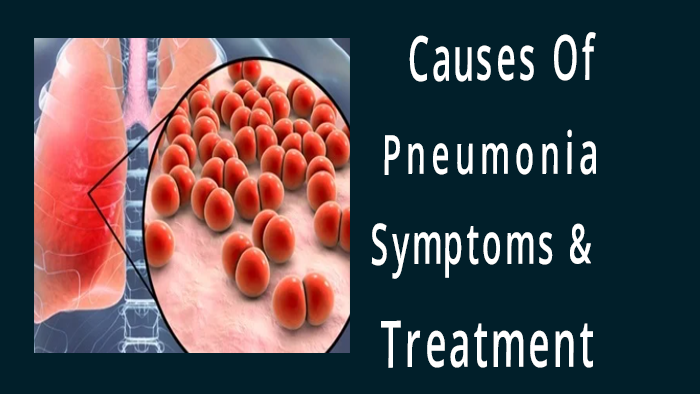
Pneumonia is a respiratory infection that inflames the air sacs in one or both lungs. It can be caused by various microorganisms, including bacteria, viruses, and fungi. Understanding the symptoms, diagnosis, and treatment options for pneumonia is crucial for timely and effective management of this potentially serious respiratory condition.Pneumonia Symptoms:Cough:A persistent cough is a common symptom of pneumonia. It may produce phlegm that can be clear, yellow, green, or even tinged with blood.Shortness of Breath:Difficulty breathing or shortness of breath is a hallmark symptom of pneumonia. The inflammation of the lungs can impede the normal exchange of oxygen and carbon dioxide.Fever and Chills:Many cases of pneumonia are accompanied by a high fever and chills. The body's immune response to the infection can lead to an elevated body temperature.Chest Pain:Chest pain, often described as a sharp or stabbing sensation, can occur when breathing deeply or coughing. This discomfort is due to the inflammation of the pleura, the membrane that surrounds the lungs.Fatigue:Pneumonia can cause extreme fatigue and weakness. The body expends significant energy in fighting the infection, leading to a general sense of tiredness.Muscle Aches:Muscle aches and pains are common in pneumonia. The systemic inflammatory response can affect muscles throughout the body.Pneumonia Diagnosis:Physical Examination:During a physical examination, healthcare providers listen to the lungs with a stethoscope to detect abnormal sounds, such as crackling or wheezing, which may indicate pneumonia. They also assess other symptoms and gather a detailed medical history.Chest X-ray:A chest X-ray is a common diagnostic tool for pneumonia. It allows healthcare professionals to visualize the lungs and identify areas of inflammation or consolidation.Blood Tests:Blood tests can help determine the type of infection causing pneumonia. Elevated white blood cell counts may indicate a bacterial infection, while other markers can suggest a viral or fungal origin.Sputum Culture:Collecting a sample of sputum (phlegm) and analyzing it for the presence of bacteria, viruses, or fungi can aid in identifying the specific pathogen causing pneumonia.Pneumonia Treatment:Antibiotics:If the pneumonia is bacterial in origin, antibiotics are the primary treatment. The choice of antibiotic depends on the type of bacteria identified through diagnostic tests.Antiviral Medications:In cases where the pneumonia is caused by a virus, antiviral medications may be prescribed. However, viral pneumonia often requires supportive care as antiviral medications are not as widely available as antibiotics.Antifungal Medications:Fungal pneumonia may require antifungal medications. These are prescribed when the pneumonia is caused by fungi such as Candida or Aspergillus.Fever Reducers and Pain Relievers:Over-the-counter medications like acetaminophen or ibuprofen can help reduce fever and alleviate pain associated with pneumonia.Oxygen Therapy:In severe cases where breathing is compromised, oxygen therapy may be administered to ensure adequate oxygen levels in the blood.Hospitalization:Hospitalization may be necessary for individuals with severe pneumonia, especially those with weakened immune systems, the elderly, or young children. Intravenous antibiotics and close monitoring can be provided in a hospital setting.Stages of Pneumonia:Pneumonia is often classified into four stages based on the progression and severity of symptoms:Stage 1 - Consolidation:In the initial stage, inflammation and consolidation occur in a specific area of the lung. Symptoms may include a productive cough, mild fever, and localized chest pain.Stage 2 - Red Hepatization:The affected lung becomes engorged with red blood cells, leading to a reddish appearance. Symptoms intensify, and fever, cough, and difficulty breathing become more pronounced.Stage 3 - Gray Hepatization:The lung begins to return to a more normal color, but the inflammatory process continues. The patient may experience persistent fever, worsening cough, and increased respiratory distress.Stage 4 - Resolution:In the final stage, the inflammation resolves, and the lung tissue heals. Symptoms gradually subside, and the patient starts to recover. This stage may take weeks, and complete recovery can be a gradual process.Conclusion:Pneumonia, with its diverse causes and manifestations, requires prompt diagnosis and appropriate treatment. Recognizing the symptoms, understanding the diagnostic procedures, and being aware of the various stages of pneumonia are essential for effective management. Timely and accurate medical intervention, along with adherence to prescribed treatments, is crucial for ensuring a full recovery and minimizing the risk of complications associated with this respiratory infection. As with any health condition, individuals should seek professional medical advice for a comprehensive evaluation and personalized treatment plan.

20 Jan,2024

blog-image Uncategorized

High blood presure and its treatment

Hypertension, or high blood pressure, is a prevalent medical condition characterized by elevated force against the walls of the arteries. This chronic condition is often referred to as the "silent killer" due to its asymptomatic nature in the early stages. Untreated hypertension can lead to severe complications such as heart disease, stroke, and kidney damage. This assignment aims to explore the causes of hypertension and delve into effective treatment strategies to manage this widespread health concern.Causes of Hypertension:Lifestyle Factors:Sedentary lifestyles, unhealthy dietary choices, and obesity are major contributors to hypertension. Lack of physical activity, excessive salt intake, and high consumption of processed foods can lead to weight gain and an increased risk of high blood pressure.Genetic Predisposition:Family history plays a role in hypertension. Individuals with a family history of high blood pressure may be genetically predisposed to the condition. Understanding one's family medical history can help in early detection and proactive management.Age and Gender:As individuals age, the risk of developing hypertension increases. Men are generally more prone to hypertension until around the age of 64, after which women become more susceptible. Hormonal changes, especially during menopause, contribute to increased blood pressure in women.Chronic Kidney Disease:The kidneys play a crucial role in blood pressure regulation. Chronic kidney diseases can impair this regulatory function, leading to an increase in blood pressure. Conversely, hypertension can also contribute to kidney damage, creating a vicious cycle.Sleep Apnea:Sleep-disordered breathing, particularly obstructive sleep apnea, is linked to hypertension. The recurrent pauses in breathing during sleep can cause a surge in blood pressure, contributing to the development of hypertension.Treatment of Hypertension:Lifestyle Modifications:Lifestyle changes form the cornerstone of hypertension management. Adopting a heart-healthy diet, rich in fruits, vegetables, and whole grains, while limiting salt, saturated fats, and refined sugars, can significantly impact blood pressure. Regular physical activity, such as brisk walking or aerobic exercises, aids in weight management and overall cardiovascular health.Medications:Various classes of medications are prescribed to lower blood pressure. Diuretics reduce fluid retention, beta-blockers decrease heart rate, angiotensin-converting enzyme (ACE) inhibitors and angiotensin II receptor blockers (ARBs) relax blood vessels, and calcium channel blockers dilate arteries. The choice of medication depends on factors like the patient's age, medical history, and the presence of other conditions.Weight Management:Achieving and maintaining a healthy weight is crucial for hypertension management. Even a modest weight loss can have a significant impact on blood pressure. Weight management involves a combination of dietary changes, regular physical activity, and behavioral modifications.Reducing Sodium Intake:Excessive salt intake is linked to hypertension. Reducing sodium intake by avoiding high-sodium processed foods and using herbs and spices for flavoring can help control blood pressure. Dietary guidelines often recommend a daily sodium intake of less than 2,300 milligrams for most adults.Stress Management:Chronic stress can contribute to hypertension. Stress management techniques, such as mindfulness meditation, deep breathing exercises, and yoga, can help alleviate stress and positively impact blood pressure.Limiting Alcohol Consumption:While moderate alcohol consumption may have some cardiovascular benefits, excessive drinking can raise blood pressure. Limiting alcohol intake to moderate levels, defined as up to one drink per day for women and up to two drinks per day for men, is advisable for individuals with hypertension.Conclusion:Hypertension is a common and manageable health condition that requires a holistic approach to treatment. Understanding the causes, including lifestyle factors, genetics, age, and associated health conditions, is crucial for effective management. Lifestyle modifications, such as adopting a heart-healthy diet, regular physical activity, and stress management, play a pivotal role in controlling blood pressure. Medications, when prescribed, should be taken as directed and monitored by healthcare professionals. With a comprehensive and individualized approach, hypertension can be effectively controlled, reducing the risk of complications and improving overall cardiovascular health. Regular monitoring, healthy living, and collaborative care between patients and healthcare providers are essential components of a successful hypertension management plan.

20 Jan,2024

blog-image কিডনি রোগ

Kidney Stones: Causes and Treatment

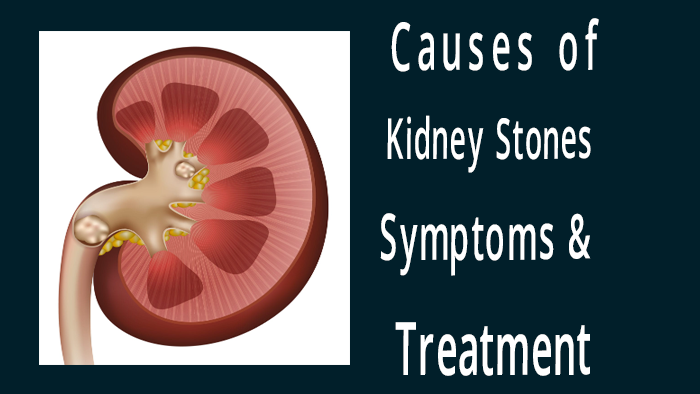
Kidney stones, medically known as renal calculi, are solid masses formed in the kidneys from the accumulation of crystals and minerals. These stones can vary in size, ranging from tiny particles to larger formations that may cause severe pain and discomfort. Understanding the causes of kidney stones and exploring effective treatment options is essential for managing this common urinary tract condition.Causes of Kidney Stones:Dehydration:One of the primary factors contributing to kidney stone formation is dehydration. Insufficient fluid intake reduces urine volume, leading to a concentration of minerals and salts in the kidneys. This concentrated urine provides an ideal environment for the formation of crystals, which can eventually develop into kidney stones.Dietary Factors:Certain dietary choices can influence the development of kidney stones. Diets high in oxalate-rich foods, such as spinach, nuts, and chocolate, or excessive consumption of salt and animal proteins, can increase the risk of stone formation. Additionally, a diet lacking in calcium may contribute to the formation of oxalate stones.Genetic Predisposition:Genetic factors play a role in kidney stone formation. Individuals with a family history of kidney stones may be more susceptible to developing them due to inherited traits that affect the metabolism of minerals like calcium and oxalate.Medical Conditions:Underlying medical conditions can contribute to the formation of kidney stones. Conditions such as hyperparathyroidism, cystinuria, and renal tubular acidosis can alter the balance of minerals in the urine, making it conducive to stone formation.Urinary Tract Infections (UTIs):Infections in the urinary tract can lead to the production of struvite stones. These stones are composed of magnesium ammonium phosphate and form in response to the presence of bacteria that produce urease, an enzyme that increases urine alkalinity.Treatment of Kidney Stones:Hydration:Adequate hydration is crucial for preventing and managing kidney stones. Increased fluid intake helps dilute the minerals and salts in the urine, reducing the risk of crystal formation. Patients are often advised to maintain a consistent and sufficient water intake throughout the day.Dietary Modifications:Adjusting dietary habits can play a significant role in preventing kidney stones. Limiting the intake of high-oxalate foods, moderating salt consumption, and ensuring an adequate calcium intake can help maintain a healthy balance of minerals in the urine. Dietary adjustments are often tailored to the specific type of kidney stones a person is prone to developing.Medications:Depending on the composition of the kidney stones, medications may be prescribed to prevent their formation. For example, thiazide diuretics can reduce the excretion of calcium in the urine, while allopurinol may be prescribed for individuals prone to uric acid stones.Extracorporeal Shock Wave Lithotripsy (ESWL):ESWL is a non-invasive procedure used to break down kidney stones into smaller fragments that can be easily passed through the urinary tract. High-energy shock waves are directed at the stones from outside the body, facilitating their fragmentation.Surgical Interventions:In cases where stones are too large or cannot be effectively treated with ESWL, surgical interventions may be necessary. Procedures such as ureteroscopy or percutaneous nephrolithotomy involve the removal or fragmentation of stones using specialized instruments.Lifestyle Modifications:Adopting a healthy lifestyle can contribute to the prevention of kidney stones. Regular physical activity, maintaining a healthy weight, and avoiding excessive consumption of certain foods can reduce the overall risk of stone formation.Conclusion:Kidney stones are a common and often painful condition that can be effectively managed through a combination of lifestyle modifications, dietary adjustments, and medical interventions. Understanding the underlying causes of kidney stones is crucial for developing targeted prevention and treatment strategies. By addressing factors such as dehydration, dietary habits, and genetic predispositions, individuals can take proactive steps to reduce their risk of developing kidney stones and enhance overall kidney health. Additionally, advancements in medical treatments provide a range of options for those already affected by kidney stones, offering relief and facilitating the passage or removal of these troublesome formations.

20 Jan,2024

blog-image Uncategorized

Causes of jaundice, Symptoms, and Treatment

Jaundice is a medical condition characterized by the yellowing of the skin, eyes, and mucous membranes due to elevated levels of bilirubin in the blood. Bilirubin is a yellow-orange pigment produced during the breakdown of red blood cells. Jaundice can be a symptom of various underlying health conditions affecting the liver, gallbladder, or blood cells. This assignment will delve into the causes, symptoms, and treatment options for jaundice, providing a comprehensive understanding of this common medical concern.Causes of Jaundice:Hemolytic Jaundice:One of the primary causes of jaundice is the increased breakdown of red blood cells, leading to elevated bilirubin levels. Conditions such as hemolytic anemia, where the body destroys red blood cells at an accelerated rate, contribute to hemolytic jaundice.Hepatocellular Jaundice:Liver diseases, such as hepatitis or cirrhosis, can impair the liver's ability to process bilirubin, leading to hepatocellular jaundice. These conditions hinder the organ's capacity to metabolize and excrete bilirubin effectively.Obstructive Jaundice:When there is a blockage in the bile ducts, preventing the flow of bile from the liver to the small intestine, obstructive jaundice occurs. Common causes include gallstones, tumors, or inflammation of the bile ducts, hindering the normal bile excretion process.Symptoms of Jaundice:Yellowing of the Skin and Eyes:The hallmark symptom of jaundice is the yellow discoloration of the skin and whites of the eyes. This occurs due to the accumulation of bilirubin, which imparts a yellow tint to the tissues.Dark Urine:Jaundice can lead to dark, amber-colored urine. The increased levels of bilirubin in the bloodstream are excreted through the kidneys, affecting the color of urine.Pale Stool:Conversely, the stool may become pale or clay-colored due to the reduced excretion of bilirubin into the intestines. This change in stool color is indicative of liver dysfunction.Abdominal Pain and Swelling:Liver diseases associated with jaundice may cause abdominal pain and swelling. Conditions like cirrhosis can lead to fluid accumulation in the abdomen, known as ascites.Fatigue and Weakness:Elevated bilirubin levels can contribute to feelings of fatigue and weakness. The liver plays a crucial role in energy metabolism, and its dysfunction can impact overall energy levels.Treatment of Jaundice:Addressing Underlying Causes:Effective treatment of jaundice involves identifying and addressing the underlying causes. For hemolytic jaundice, managing the underlying condition causing red blood cell destruction is crucial. Liver diseases may require medications, lifestyle changes, or in severe cases, a liver transplant.Bile Duct Obstruction Management:Obstructive jaundice necessitates addressing the blockage in the bile ducts. This may involve surgical interventions to remove gallstones or tumors, or the placement of stents to keep the ducts open.Medications:In certain cases, medications may be prescribed to enhance bile flow, reduce bilirubin levels, or treat underlying liver conditions. These medications may include ursodeoxycholic acid, phenobarbital, or antiviral drugs for hepatitis-induced jaundice.Phototherapy:Newborns with jaundice may undergo phototherapy, a treatment involving exposure to special lights that help break down bilirubin in the skin. This is a common and effective treatment for neonatal jaundice.Dietary Modifications:Dietary changes can play a supportive role in managing jaundice. Patients are often advised to follow a low-fat, high-fiber diet to ease the workload on the liver and promote overall digestive health.Conclusion:Jaundice is a symptom rather than a disease, indicating an underlying issue with the liver, gallbladder, or blood cells. Timely diagnosis and appropriate treatment are crucial to addressing the root causes of jaundice and preventing complications. Whether it be through medication, surgical intervention, or lifestyle changes, the treatment approach must be tailored to the specific cause of jaundice in each individual case. Increased awareness, early detection, and comprehensive medical care are essential in managing jaundice and promoting overall liver health.

20 Jan,2024

blog-image Uncategorized

Gastric Problems in Bangladesh: Causes, Symptoms, and Treatment

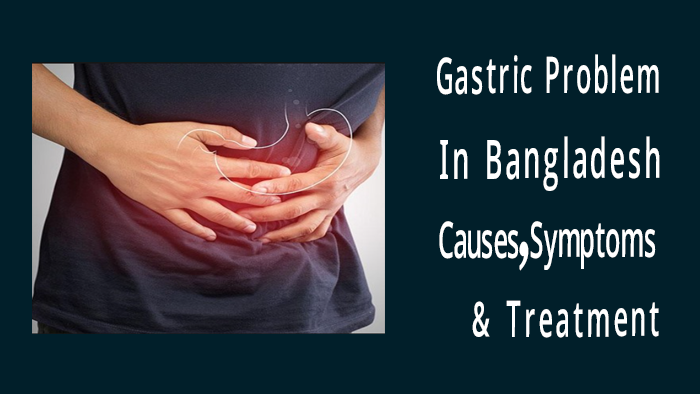
Gastric problems, commonly referred to as digestive issues, encompass a range of conditions affecting the stomach and digestive system. In Bangladesh, where dietary habits, lifestyle, and environmental factors contribute to health challenges, gastric problems are prevalent. This assignment explores the causes, symptoms, and treatment options for gastric problems, with a specific focus on the context of Bangladesh.Causes of Gastric Problems:Gastric problems can arise from various factors, and understanding the root causes is crucial for effective management. In Bangladesh, dietary practices, such as spicy and oily foods, irregular eating habits, and consumption of contaminated water, contribute significantly to gastric issues. Additionally, infections caused by bacteria like Helicobacter pylori, prevalent in the country, can lead to gastritis and other stomach-related problems.Symptoms of Gastric Problems:Recognizing the symptoms of gastric problems is essential for early intervention. Common symptoms include abdominal pain or discomfort, bloating, gas, indigestion, and heartburn. In severe cases, individuals may experience nausea, vomiting, and unintended weight loss. Understanding these signs can prompt individuals to seek medical attention, preventing the progression of gastric issues.Gastric Problems in the Bangladeshi Context:Bangladesh, with its unique cultural and dietary practices, faces specific challenges regarding gastric problems. The consumption of street food, often prepared in unhygienic conditions, increases the risk of bacterial infections leading to gastric issues. Moreover, the prevalence of Helicobacter pylori infection is higher in Bangladesh compared to some other regions, adding to the burden of gastric disorders.In the Bangladeshi context, individuals may delay seeking medical help due to cultural factors or financial constraints. Lack of awareness about the long-term consequences of untreated gastric problems can lead to a higher incidence of complications. Therefore, public health campaigns and educational initiatives are crucial in promoting early detection and seeking appropriate medical care.Medical Treatments for Gastric Problems in Bangladesh:Addressing gastric problems in Bangladesh involves a combination of lifestyle modifications, dietary changes, and medical treatments. In mild cases, adopting a balanced and easily digestible diet, avoiding spicy and oily foods, and maintaining regular eating habits can help alleviate symptoms. However, for persistent or severe cases, medical intervention becomes necessary.Antacids and acid-suppressing medications are commonly prescribed to manage symptoms such as heartburn and indigestion. In cases where Helicobacter pylori infection is confirmed, a course of antibiotics is often recommended to eradicate the bacteria. Proton pump inhibitors (PPIs) may also be prescribed to reduce stomach acid production and promote healing of the stomach lining.Preventive Measures and Lifestyle Changes:Preventing gastric problems involves adopting healthy lifestyle practices. In Bangladesh, promoting the importance of hygiene in food preparation, emphasizing the risks of consuming contaminated water, and encouraging regular medical check-ups can contribute to reducing the incidence of gastric issues.Educating the population about the impact of dietary choices on digestive health is paramount. Public health initiatives can provide information on creating a balanced diet, avoiding excessive spicy and oily foods, and incorporating fiber-rich fruits and vegetables into daily meals.Conclusion:Gastric problems pose a significant health challenge in Bangladesh, influenced by dietary habits, lifestyle factors, and the prevalence of infections. Addressing this issue requires a multi-faceted approach, including public awareness campaigns, access to affordable healthcare, and initiatives to improve hygiene practices. By understanding the causes, recognizing symptoms early, and promoting preventive measures, Bangladesh can work towards reducing the burden of gastric problems and enhancing the overall digestive health of its population.

19 Jan,2024

blog-image Uncategorized

Dengue Fever in Bangladesh: Causes, Treatment

Dengue fever is a mosquito-borne viral infection that has become a significant public health concern in Bangladesh. The disease is transmitted primarily by the Aedes aegypti mosquito, which is prevalent in tropical and subtropical regions, including Bangladesh. This assignment explores the causes, symptoms, treatment, and prevention strategies for dengue fever, with a focus on the unique environmental factors in Bangladesh.Causes of Dengue Fever in Bangladesh:Dengue fever is caused by the dengue virus, which belongs to the Flaviviridae family. In Bangladesh, the Aedes aegypti mosquito serves as the primary vector for transmitting the virus. The country's warm and humid climate creates an ideal breeding ground for mosquitoes, contributing to the rapid spread of dengue. Additionally, factors such as inadequate waste management, water storage practices, and unplanned urbanization contribute to the increased prevalence of mosquito breeding sites.Symptoms of Dengue Fever:The symptoms of dengue fever typically manifest 4 to 10 days after being bitten by an infected mosquito. Common symptoms include high fever, severe headache, pain behind the eyes, joint and muscle pain, rash, and mild bleeding. In severe cases, dengue can progress to dengue hemorrhagic fever or dengue shock syndrome, which can be life-threatening. Prompt recognition of symptoms and early medical intervention are crucial for effective treatment.Treatment of Dengue Fever in Bangladesh:There is no specific antiviral treatment for dengue fever, and management focuses on relieving symptoms and preventing complications. In Bangladesh, where dengue is endemic, healthcare facilities play a vital role in providing supportive care to patients. Intravenous fluid replacement is often administered to prevent dehydration, and pain relievers are prescribed to alleviate symptoms. Monitoring for signs of severe dengue and immediate medical intervention are critical in managing the disease.Prevention Strategies in the Bangladeshi Environment:Given the prevalence of dengue in Bangladesh, prevention strategies are essential to curb the spread of the virus. Public awareness campaigns play a crucial role in educating the population about mosquito breeding sites and the importance of personal protection measures. These measures include the use of mosquito repellents, wearing long sleeves and pants, and the installation of mosquito nets in homes.Vector control programs are implemented to reduce mosquito populations. These programs involve the use of insecticides, larvicides, and environmental management to eliminate breeding sites. Regular monitoring of water storage containers, proper disposal of solid waste, and community involvement are integral components of successful vector control efforts in the Bangladeshi context.Community engagement is a key aspect of dengue prevention. Residents can actively participate in eliminating mosquito breeding sites around their homes and communities. This collaborative approach fosters a sense of responsibility among the population, contributing to the overall success of dengue control initiatives.Conclusion:In conclusion, dengue fever poses a significant health challenge in Bangladesh, and its prevention and control require a multi-faceted approach. Addressing the environmental factors that contribute to mosquito breeding, raising public awareness, and implementing effective vector control measures are essential components of dengue prevention strategies in the Bangladeshi context. With concerted efforts from both the government and the community, the impact of dengue fever can be minimized, promoting a healthier and safer environment for all.

19 Jan,2024

Emergency Contact

Emergency Call +880 1723-025514

Emergency E-mail

24/7 Email Support [email protected]

- OR -